BLOG POST
How Does Ground Noise Undermine Your Turntable’s Performance?
(And how to fix it)
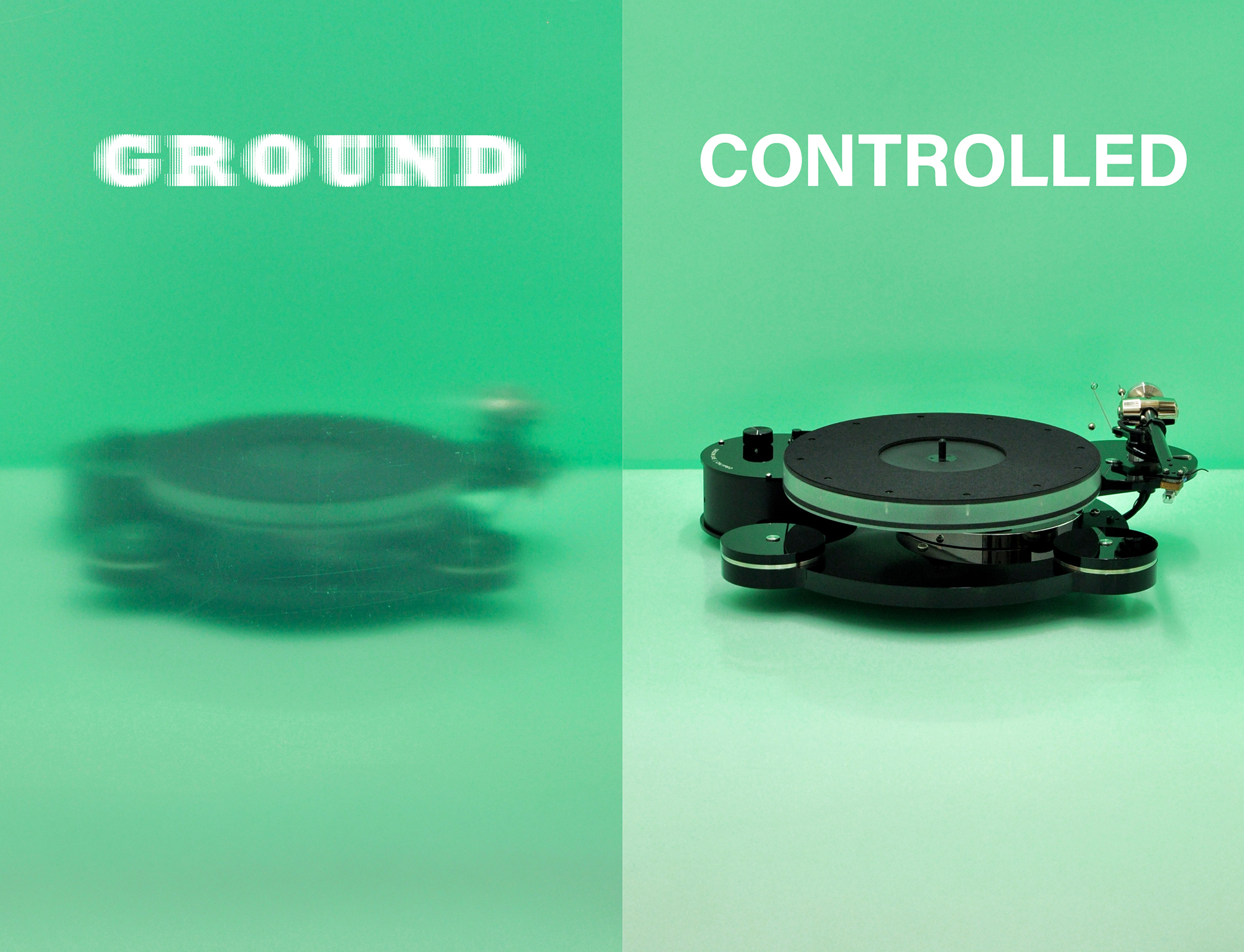
An Overlooked Factor
In high-fidelity vinyl playback, the goal is to faithfully reproduce the original sound. Yet there is an often-overlooked factor that undermines that goal: ground noise! This electrical interference creeps into your system and obscures the signal from your cartridge, robbing the music of clarity, dynamics, and life.
The Unique Nature of the Vinyl Signal
Unlike most audio components that draw power from the mains, a phono cartridge operates differently. As the stylus traces the groove, it generates a fresh electrical signal through electromagnetic induction between magnets and coils – a miniature generator at the end of your tonearm. This signal is inherently electrically clean, free from wall-power noise, and often floats relative to ground. Interference with vinyl signal quality is primarily mechanical, stemming from poor bearings, materials, and design.
However, electrically clean, that low-level output is extremely delicate. Moving-magnet (MM) cartridges produce around 5 mV, while moving-coil (MC) designs can drop to as little as 0.1 mV. To transmit this fragile signal through the tonearm without adding mechanical issues, manufacturers use thin, generally unshielded wires inside the armtube. The tube itself serves as shielding but also as an antenna, picking up unwanted radio frequencies (RF), electromagnetic interference (EMI), airborne noise, mains AC hum, and even microphonic vibrations from components.
Any electrical waveform needs a 0V reference (ground) to exist. Your system’s ground, which is tied to the mains earth and component chassis, is bombarded by these disturbances. Standard grounding helps reduce noise, but it’s rarely perfect, leaving residual interference that obscures the music.
How Ground Noise Degrades Sound
The audible effects include a subtle haze or veil over fine details, reduced texture in instruments and vocals, poorer separation between musical elements, and less precisely defined instrument placement within the soundstage. A higher noise floor compresses dynamics, making quiet passages feel compressed and less impactful. True black backgrounds disappear, replaced by a faint interference that reduces overall engagement and realism, particularly in high-resolution systems, classical recordings, or low-level listening, where subtlety is key.
Introducing the Origin Live Ground Anchor
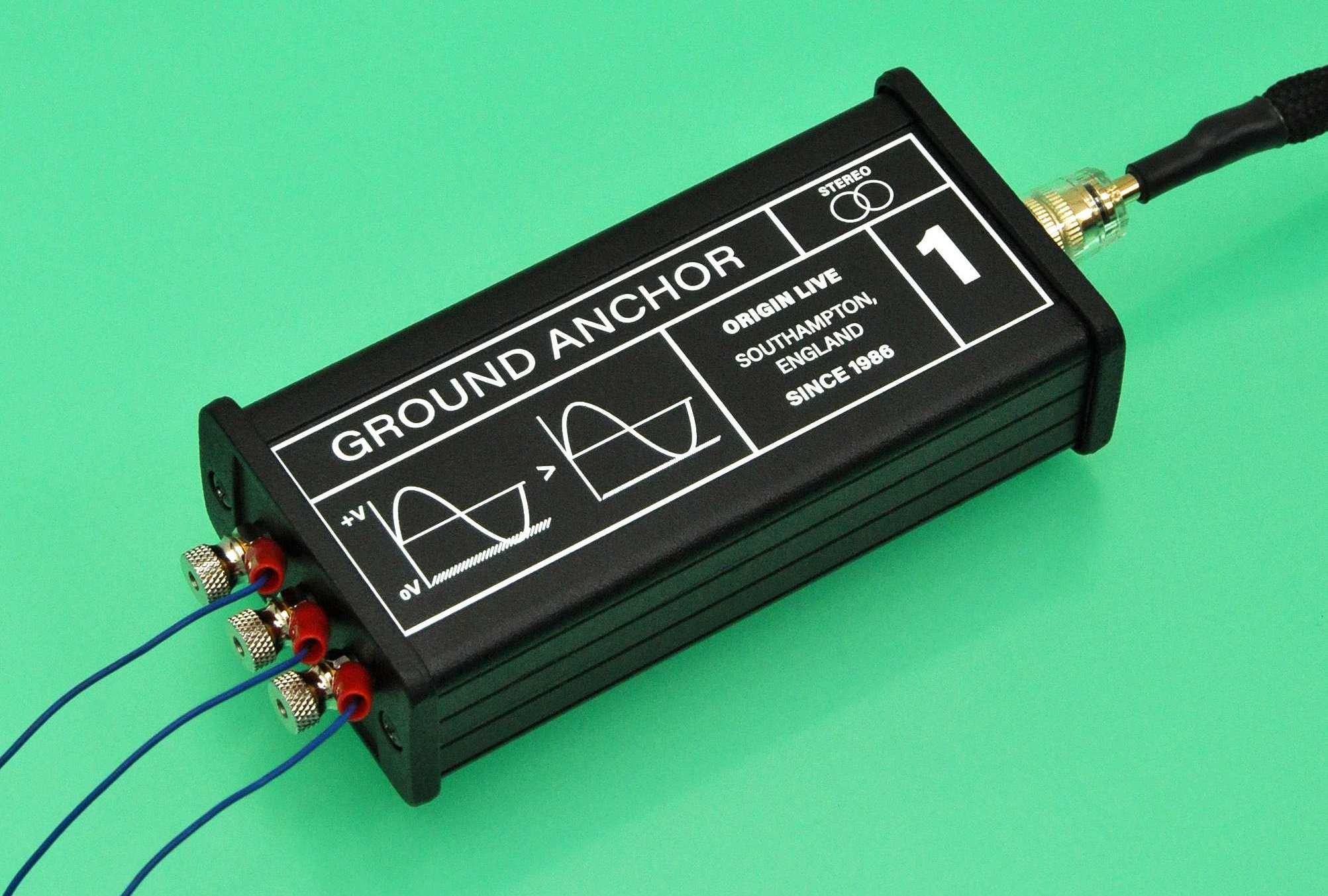
Origin Live’s new Ground Anchor targets this exact problem. Developed in close collaboration with UK noise specialists Puritan Audio Laboratories, it’s a compact grounding tool (160 × 65 × 40 mm) that connects between your tonearm cable grounds and the phonostage’s grounding post.
Inside its enclosure, advanced noise-absorbing technology converts disruptive ground-referenced interference into harmless heat, effectively removing it from the signal path.
The improvements are meaningful. The Ground Anchor provides clarity in detail and texture, deeper black backgrounds, better separation of musical elements, and more precisely defined soundstages. It’s particularly effective with step-up transformers (SUTs), where you often trade detail for space and richness.
A standout feature is the three cartridge-side grounding posts. Origin Live’s premium tonearm cables use multiple grounds (for arm structure, shielding, and optional signal reference) to minimise hum across varying phono-stage designs. This makes connections easier and less cumbersome, with the added benefit of supporting up to three tonearms from a single unit.
Universally compatible with any tonearm and phonostage, the Ground Anchor reflects both our and Puritan’s shared conviction that products must be developed by ear, through real listening tests.
Product Details
Includes 50 cm gold-plated beryllium copper ground cable with adaptable terminations (banana, spade, spring clip).
Want to make a difference to your record player setup? The Ground Anchor could be the next upgrade to elevate your listening experience.
RRP £545.